

Swimming Pools: Expert Construction & Maintenance in Egypt

Introduction
Swimming Pools: Expert Construction & Maintenance in Egypt
Precision engineering and meticulous care for aquatic investments in Alexandria and the Sahel.
Constructing a swimming pool in Egypt demands more than just digging a hole. It requires specialized structural engineering, advanced waterproofing, and a deep understanding of coastal environmental challenges. ADOMR delivers certainty, ensuring your pool is built to last.
📊 Executive Summary
Swimming pools are the centerpiece of luxury living in Egypt, particularly for villa owners in Alexandria and the North Coast. However, the harsh coastal climate, high salinity, and shifting sandy soils present unique engineering challenges. This comprehensive guide explores the entire lifecycle of pool construction, from selecting the right type—such as saltwater versus chlorine or infinity edge designs—to the critical phases of excavation, structural framing, and waterproofing. We detail the essential criteria for selecting a qualified pool contractor, emphasizing the importance of construction quality control and rigorous handover inspections. Furthermore, we address common operational issues like leaks, algae blooms, and equipment failure, providing actionable strategies for pre-season preparation and ongoing maintenance. By prioritizing structural integrity and precise system installation, homeowners can protect their investment and enjoy a durable, high-quality aquatic environment for decades.
The Unique Challenges of Pool Construction in Egypt
Building and maintaining swimming pools in Alexandria and the Sahel requires overcoming specific environmental and geological hurdles.
High salt content in the air and soil accelerates the corrosion of standard steel reinforcement and pool equipment.
The North Coast sandy soil requires specialized foundation designs to prevent structural settling and cracking.
Prolonged exposure to intense UV radiation degrades inferior pool finishes and accelerates water evaporation.
High water tables in coastal areas can cause hydrostatic pressure, leading to pool shell flotation or cracking.
Warm temperatures create an ideal breeding ground for algae, demanding robust sanitation and circulation systems.
Standard building materials quickly deteriorate when exposed to the harsh, saline-rich coastal environment.
Pools in the Sahel are often winterized for 8 months, requiring meticulous shutdown and startup procedures.
The market is flooded with unlicensed builders who cut corners on structural steel and waterproofing.
Pool Types: Saltwater vs. Chlorine
Choosing the right sanitation system is fundamental to the comfort and maintenance requirements of your swimming pool.
Choosing the right sanitation system is fundamental to the comfort and maintenance requirements of your swimming pool.
The debate between saltwater and traditional chlorine systems is central to modern pool design. Saltwater pools utilize a chlorine generator to convert dissolved salt into chlorine, providing a softer, more natural feel to the water while significantly reducing the need to handle harsh chemicals. This system is particularly advantageous for residential pools, as it minimizes skin and eye irritation. However, the initial installation cost is higher, and the salt can be corrosive to certain natural stone copings and metallic fixtures if not properly sealed. Traditional chlorine systems, while cheaper to install, require frequent manual dosing and can lead to fluctuating chemical levels, causing discomfort for swimmers. In the coastal environments of Alexandria and the Sahel, where ambient salinity is already a factor, specifying marine-grade stainless steel components and specialized sealants is critical regardless of the system chosen. Understanding construction materials quality ensures that the selected system integrates seamlessly with the pool architectural finishes. Before you even choose the right plot for your aquatic feature, understanding these chemical interactions is vital.
| Feature | Saltwater System | Traditional Chlorine |
|---|---|---|
| Water Feel | Soft, natural, less irritating | Can be harsh, strong odor |
| Maintenance | Automated generation, monitor salt levels | Frequent manual dosing and testing |
| Initial Cost | Higher upfront equipment cost | Lower upfront equipment cost |
| Material Impact | Requires salt-resistant stone and metals | Standard materials generally sufficient |
🎯 The choice between saltwater and chlorine should balance initial investment, maintenance preferences, and the specific material palette of the surrounding landscape.
Infinity Pools & Coastal Considerations
Infinity pools offer breathtaking visual continuity with the Mediterranean horizon, but they demand exacting engineering precision.
Infinity pools offer breathtaking visual continuity with the Mediterranean horizon, but they demand exacting engineering precision.
Designing an infinity edge, or vanishing edge pool, requires a secondary catch basin and a sophisticated hydraulic system to recirculate water continuously. In coastal projects along the North Coast, the structural integrity of the overflow weir is paramount. The constant flow of water over the edge requires perfectly level construction; even a millimeter of deviation will result in uneven water distribution and visible flaws. Furthermore, the coastal wind can cause significant water loss through splashing and evaporation, necessitating automated auto-fill valves tied to the pool smart management system. When integrating these features into new construction villas, the architectural design services must coordinate closely with structural engineers to ensure the cantilevered sections are adequately reinforced against soil settling. The visual reward of an infinity pool is immense, but it relies entirely on the precision of the contractor and the quality of the waterproofing applied to the hidden catch basin.
Hydraulic Recirculation
A hidden catch basin and high-capacity pumps ensure continuous water flow over the weir without depleting the main pool.
Precision Leveling
The overflow edge must be perfectly level to within 1mm to prevent uneven water cascading and visual distortions.
Wind & Evaporation
Coastal winds accelerate water loss, requiring automated auto-fill systems integrated with the pool sanitation cycle.
🎯 Infinity pools are masterpieces of hydraulic engineering that require meticulous planning and flawless execution to achieve their signature seamless look.
The Construction Process: From Excavation to Finishing
A systematic approach to pool construction ensures structural longevity and prevents costly remedial works.
A systematic approach to pool construction ensures structural longevity and prevents costly remedial works.
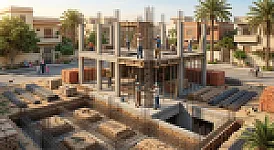
The journey from excavation to filling the pool involves several critical phases that demand rigorous construction project management. It begins with precise site marking and excavation, followed by the installation of the steel reinforcement cage. In sandy coastal soils, the foundation must be engineered to distribute the immense weight of the water evenly. Next, the plumbing and electrical conduits are laid and pressure-tested before any concrete is poured. The shotcrete or poured concrete shell forms the structural backbone, requiring careful curing to prevent shrinkage cracks. Once the shell is cured, the waterproofing membrane is applied—a non-negotiable step that protects the structure from hydrostatic pressure and chemical degradation. Finally, the pool finishing, including tiling, coping, and decking, is executed. Each phase requires sign-off from the site engineer to ensure compliance with the approved drawings and residential construction industry standards.
⏱️ Timeline
🎯 Adhering to a strict, phased construction methodology is the only way to guarantee a leak-free, structurally sound swimming pool.
Selecting the Right Pool Contractor
The longevity of your pool depends entirely on the expertise and integrity of the builder you choose.
The longevity of your pool depends entirely on the expertise and integrity of the builder you choose.
Finding a reliable pool contractor in Egypt requires looking beyond attractive renderings and low initial quotes. A qualified specialist contractor understands the unique hydrostatic and chemical challenges of the local environment. When evaluating potential partners, demand evidence of their previous work, specifically focusing on pools that are at least five years old to assess long-term durability. Verify their licensing and insurance, and ensure they employ dedicated structural engineers rather than relying solely on generic masons. It is crucial to review the questions to ask before construction begins, particularly regarding their waterproofing protocols and the specific brands of equipment they install. A professional builder will provide a transparent, itemized scope of work that clearly defines the boundaries between the pool build and the surrounding landscaping. Knowing how to plan your villa exterior amenities ensures the pool integrates perfectly with the overall site drainage.
📋 Checklist
🎯 Diligent vetting of your pool builder is the most effective insurance policy against structural failures and endless maintenance headaches.
Waterproofing & Insulation: The Critical Barrier
Waterproofing is the most critical, yet often hidden, component of any successful swimming pool construction.
Waterproofing is the most critical, yet often hidden, component of any successful swimming pool construction.
In the context of Egyptian coastal properties, waterproofing and insulation must be treated as a primary structural element, not an afterthought. The pool shell is subjected to immense hydrostatic pressure from the surrounding soil and groundwater, as well as the internal pressure of the contained water. A failure in the waterproofing membrane leads to catastrophic water loss, soil erosion around the pool, and the eventual corrosion of the steel reinforcement. Modern pool construction relies on advanced elastomeric or crystalline waterproofing systems that can bridge micro-cracks in the concrete shell. These systems must be applied to a perfectly prepared substrate, with special attention paid to the coving and all pipe penetrations. Unlike standard painting services, pool coatings must withstand constant chemical exposure and hydrostatic stress. Furthermore, insulating the pool shell and the surrounding plumbing lines is essential for thermal retention, significantly reducing the energy required to heat the pool during the cooler months in Alexandria.
🎯 Investing in premium, multi-layered waterproofing and thermal insulation systems is non-negotiable for protecting your aquatic investment.
Common Problems: Leaks, Algae, and Equipment Failure
Even well-built pools can face operational challenges if maintenance protocols are ignored or components fail.
Even well-built pools can face operational challenges if maintenance protocols are ignored or components fail.
Understanding the common pitfalls of pool ownership allows for proactive management and rapid resolution. Leaks are the most feared issue, often originating from failed plumbing joints, structural cracks, or degraded sealants around light niches and skimmers. Algae blooms, particularly in the intense Egyptian summer heat, indicate a failure in the sanitation system or inadequate water circulation, often caused by undersized pumps or clogged filters. Equipment failure, such as burned-out pump motors or malfunctioning automated dosing systems, can quickly turn a pristine pool into a stagnant hazard. Regular monitoring and adhering to a strict maintenance schedule are essential to prevent these common mistakes building home owners often overlook when managing complex outdoor amenities.
🎯 Proactive monitoring and immediate response to minor anomalies prevent small issues from escalating into major structural or financial disasters.
Pre-Season Preparation for Sahel Properties
Pools in the North Coast endure long periods of dormancy, making the spring startup process critical for the summer season.
Pools in the North Coast endure long periods of dormancy, making the spring startup process critical for the summer season.
For coastal and Sahel projects, the transition from winter dormancy to peak summer usage requires a systematic de-winterization protocol. Pools that are left untreated over the winter can develop severe algae infestations, scale buildup, and equipment degradation due to the harsh coastal winds and temperature fluctuations. The pre-season preparation must begin at least four weeks before the intended opening date to allow time for water balancing and equipment troubleshooting. This process involves removing winter covers, inspecting the structural shell for any frost or wind-induced damage, and thoroughly cleaning the filters and pump baskets. The water chemistry must be aggressively balanced, and the sanitation system primed to ensure the pool is safe and inviting for the first guests of the season.
📋 Checklist
🎯 A meticulous spring startup protocol ensures your Sahel pool is pristine, safe, and fully operational the moment you arrive for the season.
Safety Features and Handover Inspections
Ensuring the safety of users and verifying the quality of the build are the final, crucial steps before the pool is handed over.
Ensuring the safety of users and verifying the quality of the build are the final, crucial steps before the pool is handed over.
A swimming pool must be equipped with modern safety features to protect children and prevent accidents. Anti-entrapment drain covers are mandatory to prevent powerful suction from trapping swimmers, while pool alarms and safety barriers provide essential layers of protection for residential properties. The handover inspection, or snagging process, is equally critical. It involves a rigorous construction quality control checklist where every piece of equipment is tested, every inch of tile is inspected for adhesion, and the water chemistry is verified. This phase ensures that the contractor has met all contractual obligations and that the pool is ready for safe, long-term enjoyment.
🎯 Comprehensive safety installations and a meticulous handover inspection guarantee peace of mind and confirm the project successful completion.
Quality Indicators for Pool Builds
Distinguishing between a premium pool build and a substandard one requires knowing the subtle indicators of craftsmanship.
Distinguishing between a premium pool build and a substandard one requires knowing the subtle indicators of craftsmanship.
When evaluating residential renovation and finishing or new pool builds, the quality is often found in the details that are not immediately visible. Premium builders invest heavily in the preparation of the substrate, ensuring that the waterproofing adheres perfectly and that the tile setting beds are mixed to exact specifications. They use specialized, flexible grouts that can withstand the thermal expansion and contraction of the pool shell without cracking. Conversely, substandard builds often reveal themselves within the first year through hollow-sounding tiles, efflorescence on the coping, and persistent chemical imbalances caused by poor plumbing hydraulics. Recognizing these quality indicators helps homeowners make informed decisions and demand the high standards expected in luxury finishing. During a villa renovation, upgrading these hidden elements is often the most valuable investment.
✅ Pros
- Use of flexible, polymer-modified grouts that resist cracking and staining in wet environments.
- Installation of specialized pool coping with a thermal break to prevent heat transfer and cracking.
- Hydraulic design that ensures optimal water turnover and eliminates dead zones where algae can thrive.
❌ Cons
- Use of standard cementitious grouts that quickly degrade, harbor bacteria, and cause tile detachment.
- Improper sloping of the pool deck, leading to surface runoff carrying dirt and fertilizers into the pool.
- Undersized plumbing lines that strain the pump, increase energy costs, and reduce filtration efficiency.
🎯 True quality in pool construction is defined by the precision of the hidden engineering and the durability of the finishes over time.
Ongoing Maintenance and Care
Consistent, professional maintenance is the key to preserving the beauty and functionality of your swimming pool year-round.
Consistent, professional maintenance is the key to preserving the beauty and functionality of your swimming pool year-round.
The harsh Egyptian climate demands a proactive approach to pool maintenance. Regular servicing goes beyond simply skimming leaves; it involves meticulous water chemistry management, filter maintenance, and the inspection of mechanical components. In Alexandria, where the humidity and salt air are constant, metallic components and automated covers require frequent lubrication and corrosion checks. For Sahel properties, the maintenance schedule must adapt to the intense seasonal usage, with daily water testing during peak summer months and a rigorous winterization protocol when the property is closed. Partnering with a reliable provider of villa finishing services for ongoing care ensures that minor issues are addressed before they cause significant damage. Unlike general painting and decoration, pool maintenance requires specialized chemical knowledge to protect the surrounding flooring and tiling from acidic splashes and scale buildup.
🎯 A disciplined, year-round maintenance regimen is essential for protecting your investment and ensuring pristine water quality in any season.
ADOMR Methodology for Aquatic Excellence
Our approach integrates structural engineering, premium materials, and strict quality control to deliver flawless pools.
Custom structural calculations based on specific soil geotechnical reports to prevent settling and cracking.
Application of crystalline and elastomeric membranes with mandatory hydrostatic testing before tiling.
Comprehensive 72-hour equipment run-tests and detailed handover training for the property management team.
Why Standard Practices Fail in Coastal Egypt
Applying generic construction methods to coastal pools inevitably leads to premature failure and costly repairs.
⚠️ Generic bitumen or cementitious coatings lack the elasticity to bridge micro-cracks caused by thermal expansion and soil shifting in the Sahel.
⚠️ Standard rebar rapidly corrodes when exposed to the high salinity of coastal groundwater, causing concrete spalling and structural compromise.
⚠️ Undersized, non-continuous duty pumps burn out quickly under the heavy filtration demands of sandy, high-debris coastal environments.
Pool Construction & Maintenance Terminology
Frequently Asked Questions About Pool Construction
❓ How long does it take to build a standard residential swimming pool?
A typical pool construction project takes between 10 to 14 weeks from excavation to final filling, depending on the complexity of the design and site conditions.
❓ Is a saltwater pool better for the harsh coastal climate of the Sahel?
Saltwater pools offer a softer feel and require less manual chemical handling, but they demand high-quality, salt-resistant materials for the coping and equipment to prevent corrosion.
❓ What is the most critical step in preventing pool leaks?
The application of a multi-layered, elastomeric waterproofing membrane over the cured concrete shell, followed by a hydrostatic test before any tiles are laid.
❓ How often should I service my pool during the peak summer season?
During peak usage in the summer, the pool water chemistry should be tested daily, and the filtration system should be inspected and cleaned at least twice a week.
❓ Can I add a pool to an existing villa without damaging the foundation?
Yes, but it requires a thorough geotechnical assessment and precise structural engineering to ensure the excavation does not undermine the existing villa foundations or retaining walls.
❓ What safety features are mandatory for residential pools in Egypt?
While local codes vary, anti-entrapment drain covers, safety barriers or fences, and pool alarms are considered essential industry standards for protecting children and non-swimmers.
❓ How do I prepare my Sahel pool for the winter closure?
Winterization involves balancing the water chemistry, lowering the water level below the skimmers, blowing out the plumbing lines, and adding antifreeze to prevent freezing and cracking.
❓ Why is my pool water cloudy even after adding chlorine?
Cloudy water is often caused by inadequate filtration, high pH levels, or the presence of fine particulate matter. Running the pump continuously and using a flocculant can help clear the water.