

Expert Structural Repairs for Your Peace of Mind | ADOMR

Introduction
Expert Structural Repairs for Your Peace of Mind | ADOMR
Restoring safety and integrity to your property.
Structural damage requires immediate, expert intervention. ADOMR brings 35 years of engineering expertise to diagnose, stabilize, and repair foundations, walls, and roofs across Alexandria and the North Coast, ensuring your home remains safe and durable.
📊 Executive Summary
Structural integrity is the backbone of any property. In Egypts diverse climate, from the coastal humidity of Alexandria to the arid conditions of the Sahel, buildings face unique stressors that lead to foundation settlement, wall cracking, and water damage. Ignoring these signs can lead to catastrophic failures and exponentially higher repair costs. At ADOMR, we approach structural repairs not just as contractors, but as professional engineers dedicated to eliminating risk. Our methodology begins with rigorous diagnostic assessments to identify the root cause of the damage, whether it is soil subsidence, thermal expansion, or water ingress. We then deploy targeted repair methods, from epoxy injections to structural underpinning, ensuring long-term stability. This comprehensive guide covers everything from identifying early warning signs to executing emergency interventions and establishing preventative maintenance schedules. With 35 years of deep expertise, we provide the certainty that your property is restored correctly the first time.
Systemic Structural Challenges in Egyptian Buildings
Buildings in Egypt face a unique combination of environmental and geological stressors that accelerate structural degradation.
High salt content in Alexandrias air and soil accelerates the corrosion of steel reinforcement within concrete structures.
Clay-rich soils in certain regions expand and contract with moisture changes, causing severe foundation settlement and differential movement.
Extreme temperature fluctuations between day and night in desert areas cause continuous thermal expansion and contraction of building materials.
Many older buildings were constructed before modern seismic and load-bearing codes, making them vulnerable to current stressors.
Inconsistent groundwater levels and poor drainage lead to soil erosion beneath shallow foundations.
Older constructions often utilized low-grade cement and unfired bricks that degrade rapidly under modern environmental loads.
Unauthorized structural alterations by previous owners compromise the original load-bearing distribution of the building.
Proximity to active fault lines requires specific retrofitting that many existing residential structures lack.
Identifying Structural Damage Early
Early detection of structural anomalies prevents minor issues from escalating into catastrophic building failures.
Early detection of structural anomalies prevents minor issues from escalating into catastrophic building failures.
Homeowners must remain vigilant for the subtle signs of structural distress. While some cracks are merely cosmetic, others indicate deep-seated foundation movement or load-bearing failures. Understanding the difference requires a systematic approach to inspection. When evaluating a property, it is crucial to inspect the foundation and structure for uneven settling or gaps between walls and ceilings. Furthermore, knowing the common mistakes to avoid when assessing water damage can save you from misdiagnosing a structural leak as a simple plumbing issue. Regular visual inspections, combined with professional monitoring, form the first line of defense in preserving your propertys integrity.
📋 Checklist
🎯 A proactive inspection routine is the most cost-effective strategy for maintaining structural health.
Assessing the Severity of Damage
Not all cracks are created equal; professional assessment determines whether a repair is cosmetic or structurally critical.
Not all cracks are created equal; professional assessment determines whether a repair is cosmetic or structurally critical.
Once damage is identified, the next step is to quantify its severity. This requires specialized diagnostic equipment and engineering expertise. Hairline cracks in plaster are rarely a concern, but diagonal cracks radiating from doorframes signal significant shear stress. At ADOMR, we utilize advanced non-destructive testing to evaluate the internal state of concrete and masonry. By leveraging architectural design services, we can map the original structural loads and identify where the building is failing to meet them. Furthermore, our strict construction quality control protocols ensure that every assessment is backed by empirical data, not guesswork. This rigorous evaluation phase dictates the scope, budget, and urgency of the intervention.
Non-Destructive Testing
Using ground-penetrating radar and ultrasonic pulse velocity to detect internal voids and rebar corrosion without damaging the structure.
Load Mapping
Utilizing architectural design services to recalculate live and dead loads, identifying overstressed beams and columns.
Material Sampling
Extracting core samples to test compressive strength, governed by strict construction quality control standards.
🎯 Accurate severity assessment prevents over-engineering simple fixes and under-engineering critical repairs.
Choosing Appropriate Repair Methods
Selecting the right repair methodology depends on the material, the extent of the damage, and the environmental conditions.
Selecting the right repair methodology depends on the material, the extent of the damage, and the environmental conditions.
There is no one-size-fits-all solution for structural repairs. The chosen method must address the root cause while providing long-term durability against Egypts harsh climate. For instance, a simple cement patch will fail quickly if the underlying issue is hydrostatic pressure. In such cases, comprehensive waterproofing and insulation are mandatory before any structural patching occurs. Similarly, if a slab leak is causing soil erosion, the structural repair cannot begin until expert plumbing services have isolated and fixed the leak. The table below outlines common repair methods and their ideal applications.
| Repair Method | Best Application | Prerequisite |
|---|---|---|
| Epoxy Injection | Sealing active structural cracks in concrete | Dry surface and structural stabilization |
| Carbon Fiber Wrapping | Reinforcing overstressed beams and columns | Surface preparation and crack sealing |
| Underpinning | Stabilizing settling foundations | Soil testing and expert plumbing services |
| Shotcrete Application | Restoring degraded retaining walls | Formwork and waterproofing and insulation |
🎯 Matching the repair technique to the specific failure mechanism ensures lasting results.
Foundation Crack Repair Techniques
Foundation cracks compromise the entire building; repairing them requires specialized materials and engineering precision.
Foundation cracks compromise the entire building; repairing them requires specialized materials and engineering precision.
The foundation is the most critical component of any structure. When undertaking home construction in Alexandria, engineers must account for the high water table and saline soil, which aggressively attack concrete foundations. Over time, this leads to cracking and spalling. Repairing these cracks is not merely about filling a gap; it is about restoring the monolithic integrity of the foundation slab. We use high-modulus epoxy for structural cracks that have stopped moving, and flexible polyurethane for cracks that experience slight thermal movement. This level of precision is especially vital for new construction villas along the North Coast, where shifting sand dunes and coastal erosion demand flawless foundation engineering. By addressing foundation cracks immediately, we prevent water ingress that could otherwise lead to catastrophic soil subsidence beneath the structure.
🎯 Expert foundation repair secures the building from the ground up, preventing cascading structural failures.
Wall Stabilization and Reinforcement
Bowing or cracking walls require immediate stabilization to prevent collapse and restore the buildings envelope.
Bowing or cracking walls require immediate stabilization to prevent collapse and restore the buildings envelope.
Walls serve both as load-bearing elements and as the primary barrier against the elements. When walls begin to bow, lean, or develop severe diagonal cracking, the structural integrity of the entire floor plan is at risk. Stabilization often involves installing steel I-beams, carbon fiber straps, or helical ties to anchor the wall back to stable structural elements. Once the wall is structurally sound, the aesthetic restoration can begin, but this must be done carefully to avoid masking future warning signs.
🎯 Wall stabilization combines heavy-duty structural reinforcement with careful aesthetic restoration.
Roof Leak Solutions and Structural Impact
Chronic roof leaks degrade structural timber and concrete, requiring comprehensive repair beyond simple patching.
Chronic roof leaks degrade structural timber and concrete, requiring comprehensive repair beyond simple patching.
Water is the ultimate enemy of structural integrity. A persistent roof leak does not just ruin interior finishes; it rots timber trusses, corrodes steel supports, and causes concrete spalling through freeze-thaw cycles or rebar oxidation. Addressing a roof leak requires a dual approach: stopping the water ingress and repairing the structural damage it has caused. While the benefits of comprehensive repair are immense, homeowners must weigh them against the logistical challenges of the work.
✅ Pros
- Prevents secondary damage to flooring and tiling below the leak, saving thousands in interior restoration.
- Restores the structural load-bearing capacity of roof trusses, preventing potential collapse.
- Increases overall property value and marketability, offering a return on investment similar to a full home renovation.
❌ Cons
- Requires temporary relocation of occupants during major structural timber replacement or heavy shoring.
- Can be highly costly if the underlying structural framing is extensively rotted and requires custom fabrication.
- May uncover hidden asbestos or lead in older roofing materials, requiring specialized environmental abatement.
🎯 Fixing the leak is only half the battle; restoring the damaged structure is equally critical.
Emergency Structural Interventions
When structural failure is imminent, rapid emergency shoring and stabilization are required to protect life and property.
When structural failure is imminent, rapid emergency shoring and stabilization are required to protect life and property.
Structural emergencies, such as a sudden partial collapse, severe bowing after an earthquake, or massive water main breaks undermining a foundation, require immediate action. In these scenarios, the priority shifts from permanent repair to life safety and damage mitigation. Rapid deployment of hydraulic shoring, steel acrow props, and temporary bracing is essential to stabilize the structure until a permanent engineering solution can be designed and executed.
Always shut off main power and call electrical services before entering flooded structural zones or areas with exposed, damaged wiring.
Emergency shoring is strictly a temporary fix; comprehensive home renovation services are required later to permanently resolve the underlying failure.
Keep a structural emergency kit on hand for older properties, including heavy-duty tarps, wooden wedges, and contact numbers for emergency engineers.
🎯 Emergency interventions buy the critical time needed to plan a permanent, safe structural repair.
Hiring Specialists and Cost Considerations
Structural repairs require specialized engineering and project management to ensure safety, compliance, and budget adherence.
Structural repairs require specialized engineering and project management to ensure safety, compliance, and budget adherence.
The complexity of structural repairs demands more than just a general contractor. It requires licensed structural engineers to design the fix, and experienced specialists to execute it. Managing these diverse teams and the associated costs requires rigorous oversight. Balancing the technical requirements with the financial realities of the project is key to a successful outcome.
🎯 Investing in professional oversight and specialized labor prevents costly rework and ensures structural longevity.
Preventing Future Damage Through Maintenance
A proactive maintenance schedule extends the lifespan of structural repairs and prevents minor issues from recurring.
A proactive maintenance schedule extends the lifespan of structural repairs and prevents minor issues from recurring.
Structural repairs are not a fix it and forget it solution. The environmental forces that caused the original damage are still at play. Implementing a rigorous, scheduled maintenance plan is essential to monitor the performance of the repairs and catch any new anomalies before they become critical. This timeline outlines a standard post-repair maintenance schedule.
⏱️ Timeline
🎯 Consistent maintenance is the ultimate safeguard for your structural investment.
Pre- and Post-Repair Inspection Checklists
Rigorous inspections before and after structural repairs ensure that all issues are addressed and verified.
Rigorous inspections before and after structural repairs ensure that all issues are addressed and verified.
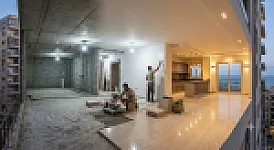
The success of a structural repair project is measured by the contrast between the buildings condition before and after the intervention. Detailed documentation at both stages protects the homeowner and verifies the contractors work. Whether the damage was discovered during a routine check or a major bathroom renovation, the baseline must be clearly established.
🎯 Documented pre- and post-repair states provide legal protection and verify structural compliance.
Advanced Structural Repair Methodologies
Modern engineering techniques that provide permanent solutions for complex structural failures.
Applying aerospace-grade carbon fiber fabrics to concrete and masonry to restore tensile strength without adding significant weight.
Injecting expanding structural foams into soil voids beneath foundations to lift and stabilize settled structures.
Installing low-voltage electrical systems to halt the corrosion of steel reinforcement in coastal concrete structures.
Why Generic Repair Approaches Fail
The limitations of traditional, non-engineered repair methods in Egypts unique environment.
⚠️ Fails to address the root cause of movement or hydrostatic pressure, leading to the crack reappearing within months.
⚠️ Rebuilding a wall with standard bricks and mortar does not improve its lateral load capacity, leaving it vulnerable to future shear stress.
⚠️ Applying topical sealants without addressing negative-side hydrostatic pressure results in water blistering and peeling the sealant.
Glossary of Structural Repair Terms
Frequently Asked Questions
❓ How do I know if a wall crack is structural or just cosmetic?
Cosmetic cracks are typically thin, straight, and limited to the paint or plaster layer. Structural cracks are often wider, diagonal, stair-stepped in masonry, or accompanied by sticking doors and uneven floors.
❓ Can I live in my home during structural repairs?
In many cases, yes. However, major foundation underpinning, extensive roof timber replacement, or emergency shoring may require temporary relocation for your safety and to allow contractors unimpeded access.
❓ How long do epoxy foundation crack repairs last?
When applied correctly to a stabilized foundation, structural epoxy injections are designed to last the lifetime of the concrete itself, effectively fusing the crack back into a monolithic block.
❓ Does ADOMR handle the municipal permits for structural work?
Yes. We manage the entire permitting process, providing the stamped engineering calculations and structural drawings required by the Alexandria Urban Development Authority and other local municipalities.
❓ What causes floors to slope in older Egyptian homes?
Floor sloping is typically caused by the deterioration of supporting timber joists due to moisture or termite damage, or by the settlement of the underlying foundation piers supporting the floor structure.
❓ Is it safe to buy a property that has had structural repairs?
Yes, provided the repairs were designed by a licensed structural engineer, executed by certified specialists, and fully documented. We provide comprehensive post-repair inspection reports to verify compliance.
❓ How often should I inspect my homes foundation?
We recommend a thorough visual inspection every six months, and a professional structural audit every three to five years, especially after severe weather events or seismic activity.
❓ Can tree roots damage my homes foundation?
Yes. Large trees planted too close to the house can extract massive amounts of moisture from the soil, causing clay soils to shrink and the foundation to settle unevenly, leading to severe cracking.